Highlights of Char Dham Yatra
Tour Highlights
- Start the sacred Chardham Yatra directly from Delhi
- Cover all four holy shrines – Yamunotri, Gangotri, Kedarnath & Badrinath
- Traditional clockwise Chardham route followed
- Scenic Himalayan road journey with planned rest stops
- Holy Ganga Aarti at Haridwar en route
- Yamunotri trek with pony/palki options
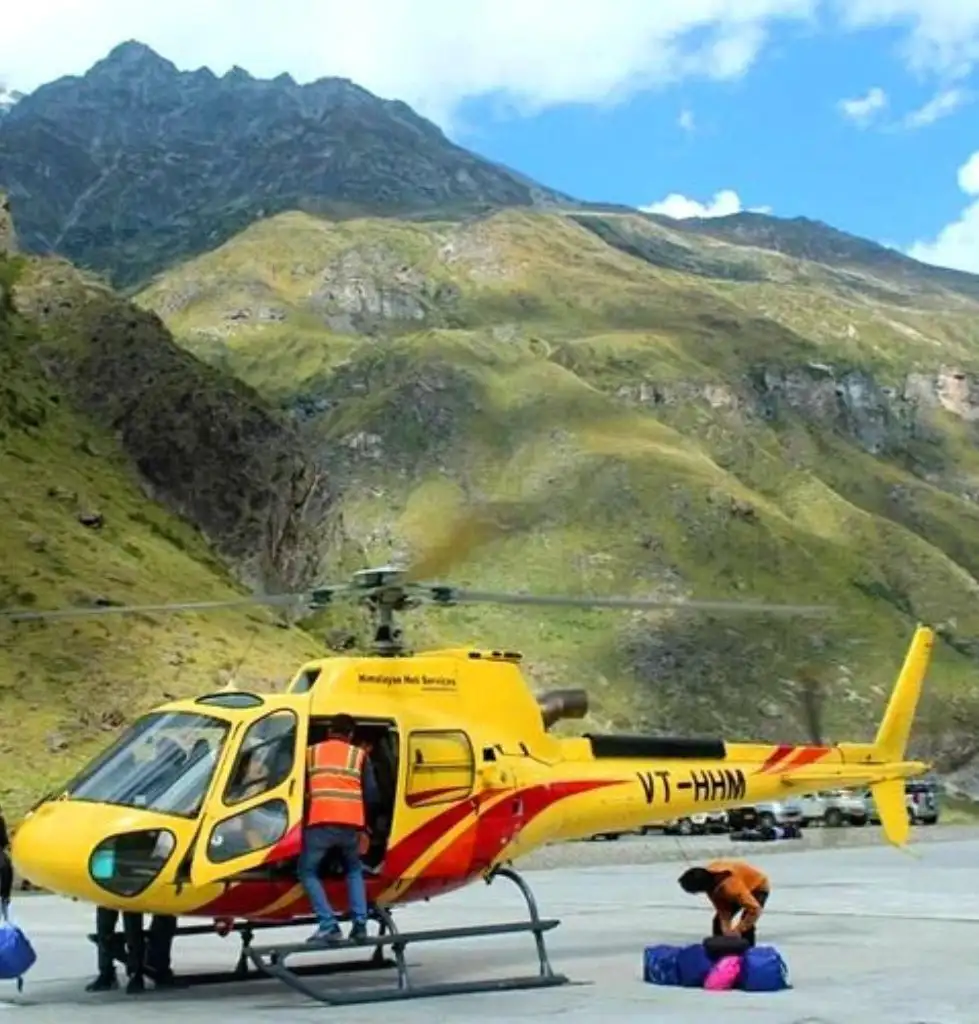
- Darshan at Kedarnath Jyotirlinga (helicopter option available)
- Holy bath at Tapt Kund before Badrinath darshan
- Pure vegetarian meals during the entire yatra
- Ideal for pilgrims traveling from across India
Overview of Chardham Yatra Package from Delhi
The Chardham Yatra is one of the most sacred Hindu pilgrimages, covering the four holy shrines of Yamunotri, Gangotri, Kedarnath, and Badrinath. This yatra traditionally begins from Delhi and follows a spiritually significant clockwise route through the Garhwal Himalayas of Uttarakhand.
This itinerary explains each day’s route, distance, travel time, darshan plan, and night halt, helping pilgrims prepare physically, mentally, and logistically.
Chardham Yatra Itinerary
Day 1: Delhi to Haridwar
Distance: 220 km
Travel Time: 6–7 hours
Your Chardham Yatra begins with an early morning departure from Delhi. The journey takes you through Meerut, Muzaffarnagar, and Roorkee before reaching Haridwar, one of Hinduism’s seven holiest cities.
After hotel check-in and rest, pilgrims can visit:
- Har Ki Pauri for a holy dip in the Ganga
- Evening Ganga Aarti, a spiritually uplifting experience
Overnight Stay: Haridwar
Day 2: Haridwar to Barkot
Distance: 210 km
Travel Time: 7–8 hours
After breakfast, the journey continues towards Barkot via Dehradun and Mussoorie. The road gradually ascends into the lower Himalayas, offering scenic views of forests, valleys, and mountain rivers. En route, pilgrims may stop briefly near Kempty Falls (subject to time and traffic conditions). Barkot lies on the banks of the Yamuna River and serves as the base town for Yamunotri.
Overnight Stay: Barkot
Day 3: Barkot to Yamunotri and return to Barkot
Distance: 45 km drive + 6 km trek (one way)
Early morning drive to Janki Chatti or Phool Chatti, the starting point of the Yamunotri trek.
From here, pilgrims trek (or use ponies/palki services) to Yamunotri, the sacred source of River Yamuna.
Key rituals at Yamunotri include:
- Bathing in Surya Kund (hot water spring)
- Offering prayers at Yamunotri Temple
- Cooking rice in hot springs as prasad
After darshan, pilgrims trek back to Janki Chatti and drive to Barkot.
Overnight Stay: Barkot
Day 4: Barkot to Uttarkashi
Distance: 100 km
Travel Time: 4–5 hours
Post breakfast, depart for Uttarkashi, located on the banks of the Bhagirathi River.
The drive passes through picturesque ountain terrain and small Himalayan villages.
Day 5: Uttarkashi to Gangotri and return to Uttarkashi
Distance: 100 km one way
Travel Time: 4–5 hours one way
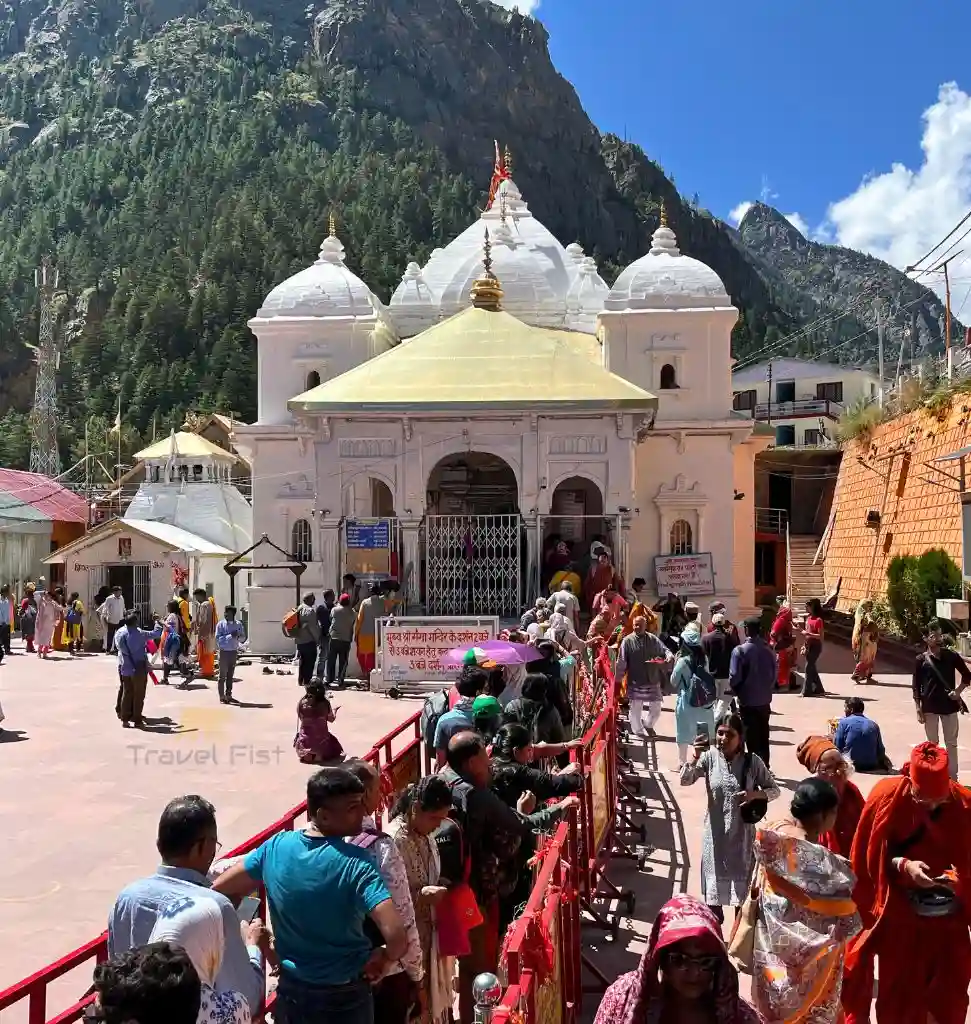
Early departure for Gangotri, the origin of River Ganga. The road follows the Bhagirathi River and offers breathtaking views of snow-clad peaks and deep valleys.
At Gangotri Temple, pilgrims perform:
- Ganga Aarti
- Pooja and darshan
- Ritual bathing in the icy waters of the Bhagirathi (symbolic sprinkling for most pilgrims)
After darshan, return to Uttarkashi by evening.
Overnight Stay: Uttarkashi
Day 6: Uttarkashi to Guptkashi / Sitapur
Distance: 220 km
Travel Time: 8–9 hours
This is one of the longest travel days of the yatra. The route passes through Tehri, Rudraprayag, and along the confluence of the Alaknanda and Mandakini rivers.
Guptkashi holds mythological significance and offers views of the Chaukhamba peaks.
Overnight Stay: Guptkashi or Sitapur
Day 7: Guptkashi to Kedarnath
Distance: 30 km drive + 16 km trek
Early morning drive to Gaurikund, the base point for the Kedarnath trek.
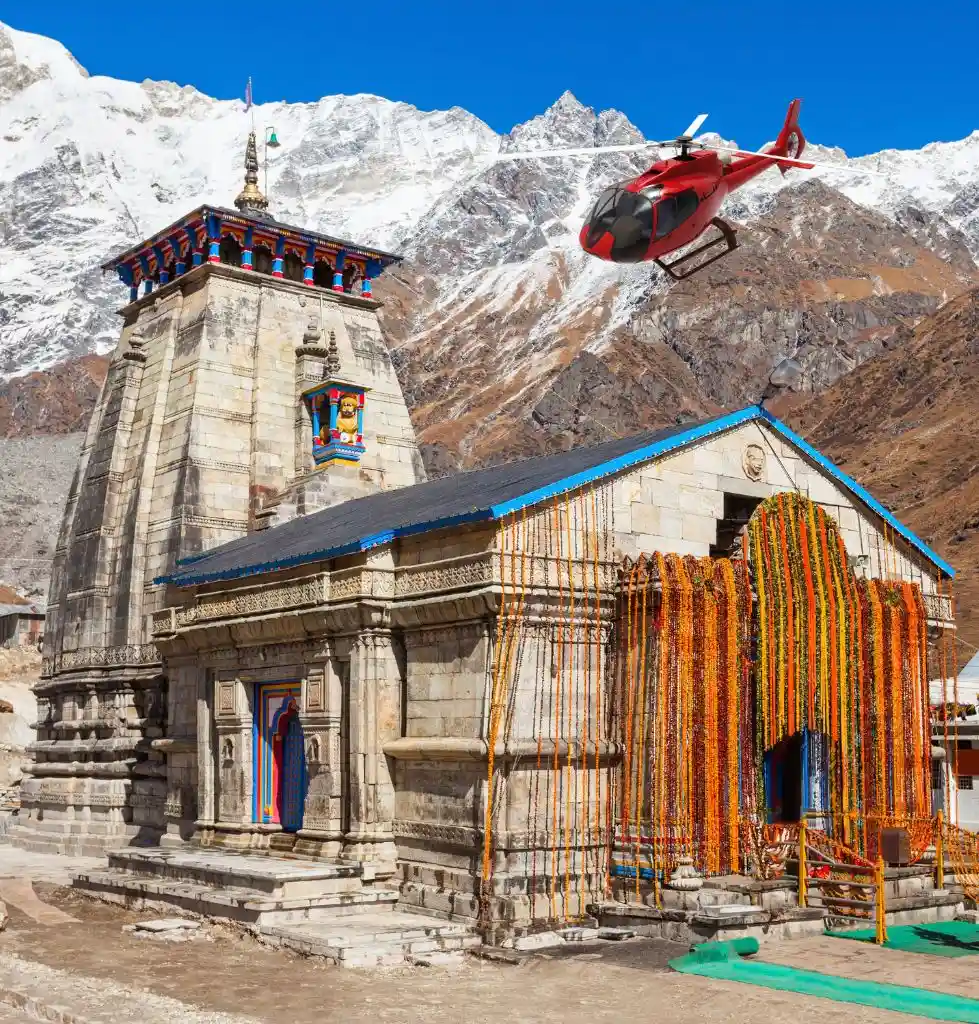
From here, pilgrims trek to Kedarnath, one of the twelve Jyotirlingas of Lord Shiva.
The trek route offers:
- Mountain landscapes
- Glaciers and waterfalls
- Spiritual energy along the Mandakini River
Upon reaching Kedarnath, pilgrims attend evening aarti at Kedarnath Temple.
Overnight Stay: Kedarnath (basic accommodation)
Day 8: Kedarnath to Guptkashi
Early morning darshan at Kedarnath Temple is considered highly auspicious. After completing rituals, pilgrims descend to Gaurikund and drive back to Guptkashi or Sitapur.
This day allows rest and recovery after the strenuous trek.
Overnight Stay: Guptkashi / Sitapur
Day 9: Guptkashi to Badrinath
Distance: 190 km
Travel Time: 8–9 hours
Depart early for Badrinath, dedicated to Lord Vishnu. The journey passes through Joshimath and follows the Alaknanda River.
On arrival, pilgrims visit:
- Badrinath Temple for evening darshan
- Tapt Kund (hot water spring) Brahma Kapal (ritual site)
Day 10: Badrinath to Rudraprayag
Morning darshan at Badrinath Temple after a holy dip in Tapt Kund. Post darshan, drive towards Rudraprayag.
En route, pilgrims may visit:
- Mana Village (last village near Indo-Tibetan border)
- Vyas Gufa and Ganesh Gufa
Overnight Stay: Rudraprayag
Day 11: Rudraprayag to Haridwar
Distance: 160 km
Travel Time: 6–7 hours
The return journey takes pilgrims back through Devprayag, the sacred confluence of Alaknanda and Bhagirathi rivers forming the Ganga.
Arrive in Haridwar by evening for rest and reflection.
Overnight Stay: Haridwar
Day 12: Haridwar to Delhi – Departure
After breakfast, drive back to Delhi with divine memories of the Chardham Yatra. The journey concludes upon arrival in Delhi.
Important Travel Notes
- Weather conditions can affect travel time
- Altitude acclimatization is important
- Senior citizens should consult a doctor before travel
- Helicopter services may be used for Kedarnath (subject to availability)
Why This Itinerary Works for Pilgrims
- Follows the traditional Chardham route
- Balanced travel and rest days
- Suitable for families and senior pilgrims
- Covers all major rituals and darshan timings
FAQS
1. What is included in a Chardham Yatra Package from Delhi?
A Chardham Yatra package from Delhi typically includes round-trip transportation from Delhi, accommodation during the journey, daily meals, sightseeing as per itinerary, and assistance for darshan at Yamunotri, Gangotri, Kedarnath, and Badrinath. Trek support and local transfers are usually arranged separately.
2. How many days are required for Chardham Yatra from Delhi?
The standard Chardham Yatra from Delhi takes 10 to 12 days, depending on road conditions, weather, and rest days. A longer itinerary is recommended for senior citizens to allow proper acclimatization and avoid fatigue.
3. What is the best time to do Chardham Yatra?
The best time for Chardham Yatra is May to June and September to October. These months generally offer stable weather and clearer routes. July and August are less preferred due to monsoon rainfall and the possibility of landslides in the Himalayan region.
4. Is Chardham Yatra safe for senior citizens?
Yes, Chardham Yatra can be safe for senior citizens if planned properly. A slower itinerary, medical consultation before travel, and rest days are essential.For Kedarnath, helicopter services can reduce physical strain for elderly pilgrims when weather permits.
5. Is registration mandatory for Chardham Yatra?
Yes, government registration is mandatory for all pilgrims undertaking Chardham Yatra. Pilgrims must register online or at designated registration counters before starting the journey. Without valid registration, entry to the pilgrimage route may be restricted.
6. How difficult is the Kedarnath trek?
The Kedarnath trek is approximately 16 km one way from Gaurikund and is considered moderately challenging. The route includes steep ascents and high altitude. Ponies, palkis, and helicopter services are available for pilgrims who cannot trek on foot.
7. Are helicopter services included in the package?
Helicopter services for Kedarnath are not automatically included in standard road-based packages. They are booked separately and depend on weather conditions and daily operational limits. Many travelers take assistance from thetravelfist to check official availability and booking procedures.
8. What type of accommodation is provided during Chardham Yatra?
Accommodation during Chardham Yatra usually includes budget to standard hotels in towns like Haridwar, Barkot, Uttarkashi, and Guptkashi. Near Kedarnath, accommodation is basic due to high altitude and limited infrastructure.
9. What food is available during the journey?
Most packages provide pure vegetarian meals, aligned with pilgrimage traditions. Food options are simple and nutritious, such as dal, rice, roti, vegetables, and breakfast items. Non-vegetarian food and alcohol are generally discouraged during the yatra.
10. What should pilgrims pack for Chardham Yatra?
Pilgrims should carry warm clothing, rainwear, comfortable walking shoes, personal medicines, identity proof, and a small backpack. Weather can change quickly in the mountains, so layered clothing and basic medical supplies are highly recommended.
11. Can Chardham Yatra be done with children?
Yes, Chardham Yatra can be done with children, but parents should ensure proper clothing, rest breaks, and medical readiness. High altitude and long travel hours may be tiring, especially during the Kedarnath segment.
12. What is the route followed in Chardham Yatra from Delhi?
The traditional route follows a clockwise sequence: Delhi – Haridwar – Yamunotri – Gangotri – Kedarnath – Badrinath – Haridwar – Delhi. This order is considered spiritually auspicious and logistically efficient.
13. Are there medical facilities available on the route?
Basic medical facilities and first-aid centers are available in major towns along the route. During peak season, temporary health camps are also set up. However, pilgrims with chronic conditions should carry prescribed medicines and consult a doctor before travel.
14. What happens if bad weather disrupts the itinerary?
Bad weather, landslides, or road closures can cause delays. Itineraries may be adjusted to prioritize safety. Reliable planners like thetravelfist generally coordinate alternative schedules or buffer days based on real-time conditions.
15. Is Chardham Yatra suitable for first-time pilgrims?
Yes, Chardham Yatra is suitable for first-time pilgrims when planned with a structured itinerary and proper guidance. Many travelers choose experienced coordinators such as thetravelfist to ensure smooth logistics, timely darshan, and safety throughout the journey.
Memories of Chardham Yatra