
Highlights of CharDham Yatra
- Start from Haridwar, the traditional gateway to Chardham
- Holy dip and Ganga Aarti at Har Ki Pauri
- Follow the classic Chardham pilgrimage route
- Shorter travel distances compared to Delhi start
- Yamunotri trek to the source of River Yamuna
- Gangotri darshan at the origin of River Ganga
- Kedarnath temple visit with trek or helicopter option
- Badrinath darshan with Tapt Kund & Brahma Kapal rituals
- Visit sacred river confluences (Prayags) en route
Overview of Chardham Yatra
The Chardham Yatra is among the most revered Hindu pilgrimages, covering four sacred Himalayan shrines located in Uttarakhand. Starting the journey from Haridwar is considered spiritually significant, as Haridwar is one of the oldest pilgrimage gateways where the River Ganga descends from the Himalayas to the plains. This Chardham Yatra Package from Haridwar follows the traditional clockwise route, covering Yamunotri, Gangotri, Kedarnath, and Badrinath. This guide explains the day-wise itinerary, travel distances, darshan plan, and night halts, helping pilgrims prepare for a smooth and spiritually fulfilling journey.
Why Start Chardham Yatra from Haridwar?
Haridwar is officially regarded as the gateway to the Chardham circuit. It is well connected by rail and road, making it an ideal starting point for pilgrims coming from different parts of India. Beginning the yatra from Haridwar allows pilgrims to:
- Take a holy dip at Har Ki Pauri
- Attend Ganga Aarti before the journey
Gradually acclimatize before entering higher altitudes.
CharDham Yatra Itinerary
Day 01: Haridwar – Barkot
Post breakfast, meet our expert guide and start the scenic drive to Barkot.
On arrival at Barkot, check into the accommodation for dinner and night stay.
Meal: Dinner
Day 02: Barkot – Yamunotri
Post breakfast, drive to Jankichatti, the starting point of the trek.
Option for Doli or pony to reach Yamunotri Dham.
On arrival, purchase Prasadam from local shops and take a holy dip in the hot water spring.
Visit the main temple for pooja and blessings from Goddess Yamuna.
Return to Barkot for dinner and overnight stay.
Meal: Breakfast + Dinner with more information and recommendations
Day 03: Barkot – Uttarkashi
Post breakfast, scenic drive to Uttarkashi.
Visit the Vishwanath Temple and Hanuman Temple.
Drive 5 km to reach accommodation, check in for dinner and overnight stay.
Meal: Breakfast + Dinner
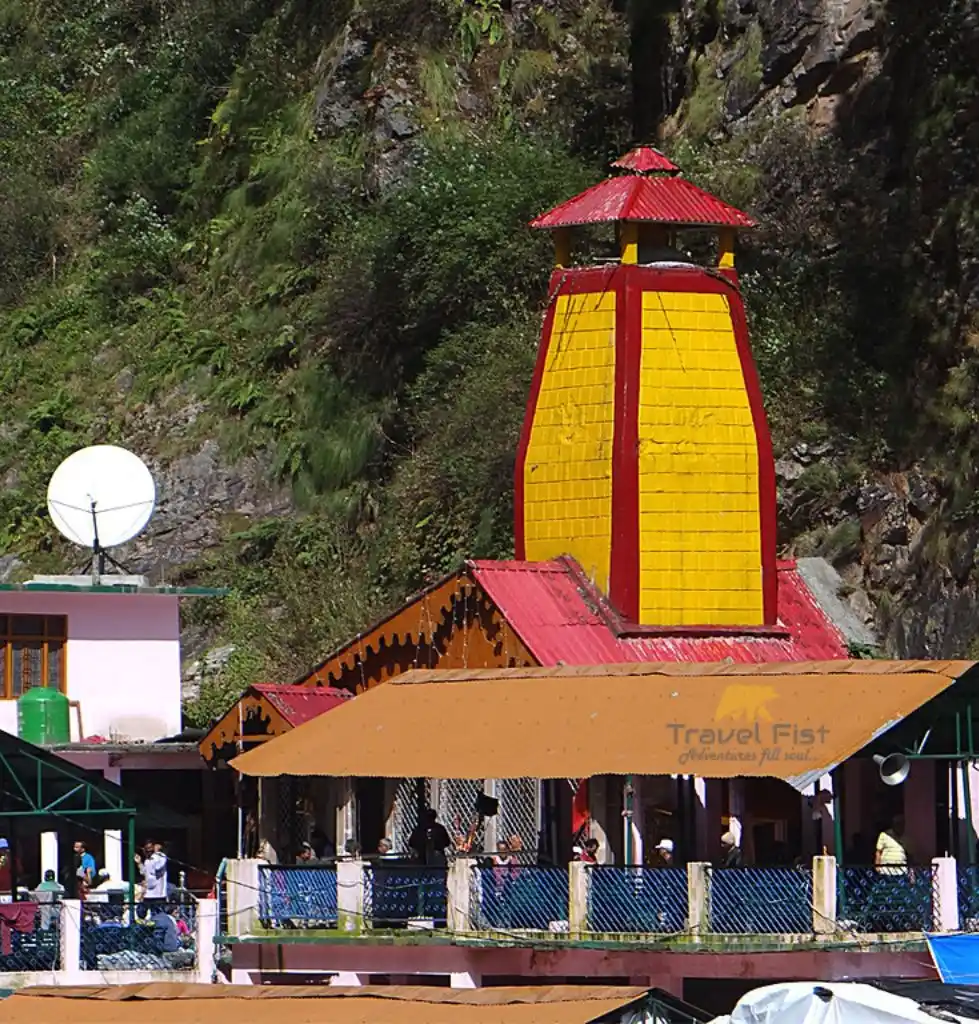
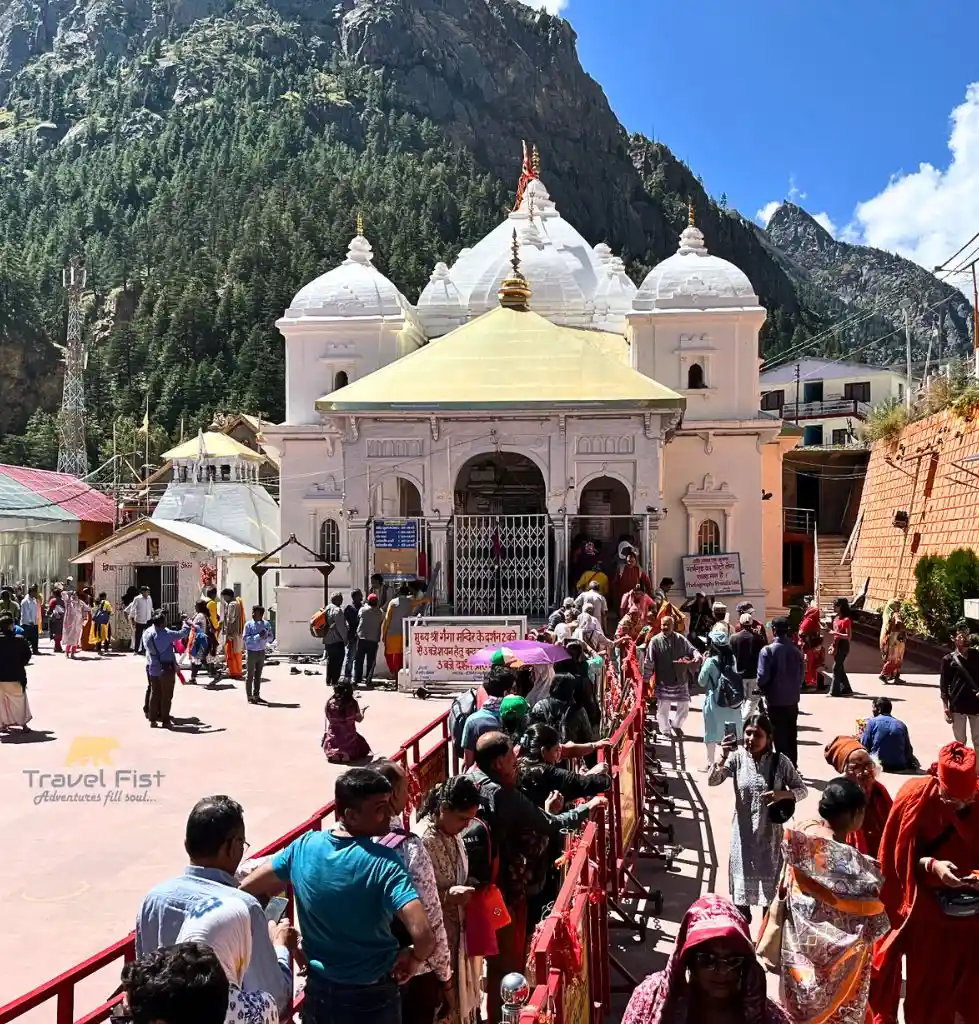
Day 04: Uttarkashi – Gangotri – Uttarkashi
Early morning drive to Gangotri Dham.
Stop at Gangnani for a dip at the hot water spring.
Perform pooja at the bank of river Bhagirathi and visit the main temple for darshan of Mata Ganga.
Return to Uttarkashi.
Meal: Breakfast + Dinner
Day 05: Uttarkashi – Guptkashi
Post breakfast, drive to Guptkashi via Tehri Dam.
Arrive by evening, check in to the accommodation for dinner and overnight stay.
Meal: Breakfast + Dinner
Day 06: Guptkashi – Kedarnath
Early morning drive to Sonprayag, take a local jeep to Gaurikund (2 km).
Trek to Kedarnath, check in to guest house, and visit Kedarnath Temple for evening Aarti.
Dinner and overnight stay at a guest house.
Meal: Breakfast + Dinner
Day 07: Kedarnath – Rudraprayag
Visit Kedarnath Temple for morning Aarti.
Return to guest house for breakfast, check out, and descend to Gaurikund.
Drive to Rudraprayag, check in to the hotel for dinner and overnight stay.
Meal: Breakfast + Dinner
Day 08: Rudraprayag – Badrinath
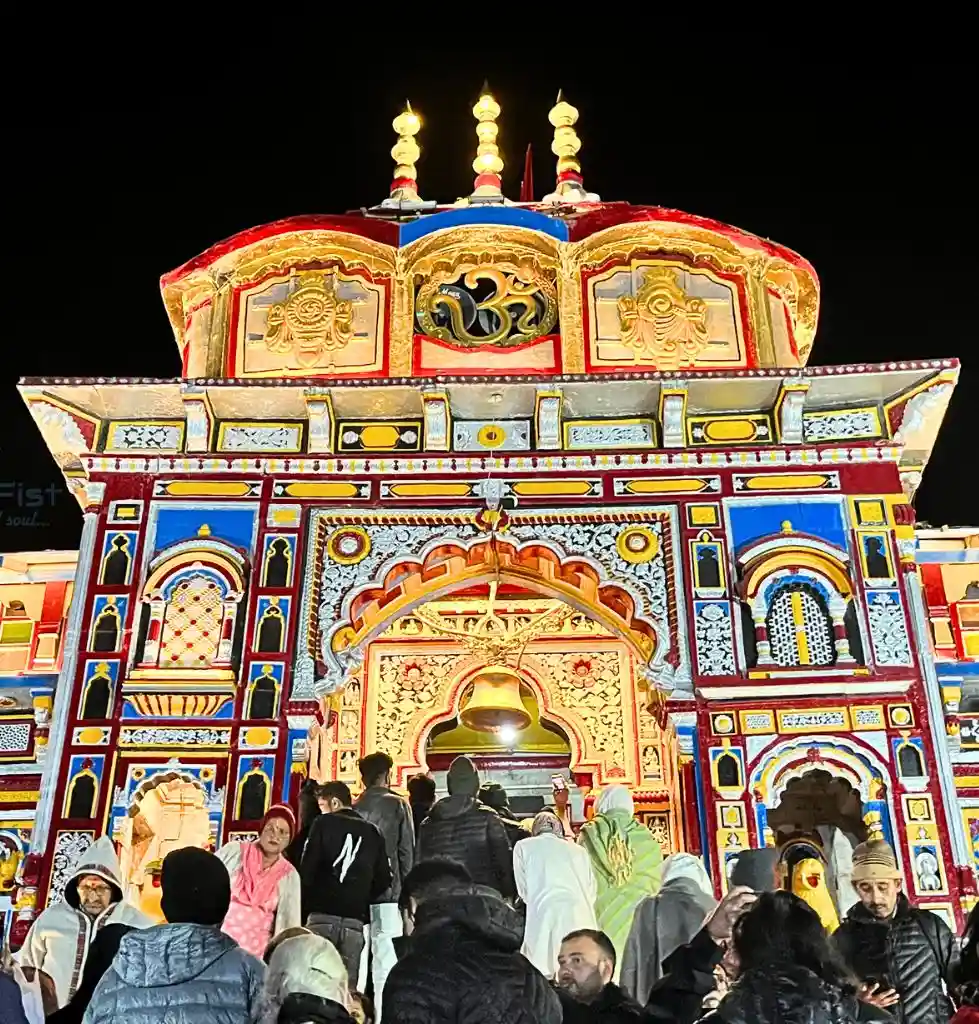
Morning drive to Badrinath, check in to the hotel.
Evening visit to Badrinath Temple, return to hotel for dinner and overnight stay.
Meal: Breakfast + Dinner
Day 09: Badrinath – Rishikesh/Haridwar
Morning drive to Rishikesh via Devprayag.
Halt to witness the confluence of the Alaknanda and Bhagirathi Rivers.
Continue journey to reach Rishikesh/Haridwar and proceed to the railway station.
Meal: Breakfast
Price Include:
- Accommodation for 08 nights on Double sharing basis in the above-mentioned hotels or similar.
- 08 breakfasts and 08 dinners at the accommodation.
- All transportation will be using A.C Sedan/Innova or Tempo Traveler. (A.C. will not work in the hilly areas.)
- Free Yatra Registration (Compulsory)
Note: We strongly advise you to consider purchasing travel insurance before your departure. If you need any assistance with obtaining travel insurance, we would be happy to provide you with more information and recommendations.
Prices Do Not Include:
- Items of personal nature like drinks, laundry, telephone calls, tips, camera fees, etc.
- Any Airfare.
- Early check-in or a late checkout room(s) at any hotel(s) unless specified above.
- Liability for change in itinerary due to reasons beyond our control like change in flight and train schedule.
- Any other item not specifically mentioned above as “INCLUDED”.
Note: Yatri registration is necessary for the Chardham Yatra, and we will provide you with a registration service.
Important Travel Information
Best Time to Visit
- May to June and September to October are ideal
- Monsoon months (July–August) are less preferred due to landslides
Health & Safety
- Gradual altitude gain helps acclimatization
- Senior citizens should consult a doctor
- Carry personal medicines and warm clothing
Accommodation
- Standard hotels in towns
- Basic lodging near Kedarnath due to altitude
Why This Chardham Yatra from Haridwar Itinerary Is Ideal
- Follows the traditional clockwise route
- Balanced travel and rest days
- Suitable for families and elderly pilgrims
- Covers all major rituals and darshan opportunities
Frequently Asked Questions (FAQs)
Q: How many days are required for Chardham Yatra from Haridwar?
Ans: A standard Chardham Yatra from Haridwar takes 10 days, allowing sufficient time for darshan, travel, and rest.
Q: What is the best time to do Chardham Yatra?
Ans: The best months are May to June and September to October, when weather conditions are relatively stable.
Q: Is registration mandatory for Chardham Yatra?
Ans: Yes, government registration is mandatory for all pilgrims before starting the journey.
Q: Is the Chardham Yatra difficult?
Ans: The journey involves long road travel and high altitude. The Kedarnath trek is moderately challenging but manageable with preparation.
Q: Is Chardham Yatra suitable for senior citizens?
Ans: Yes, with medical consultation, slower itineraries, and optional helicopter services for Kedarnath.
Q: Are helicopter services included in the package?
Ans: Helicopter services are usually not included in standard road packages and must be booked separately.
Q: What type of accommodation is provided?
Ans: Accommodation ranges from budget to standard hotels, while Kedarnath has basic lodging facilities.
Q: What kind of food is available during the yatra?
Ans: Pure vegetarian meals are provided, keeping pilgrimage traditions in mind.
Q: What documents are required?
Ans: Valid ID proof and government registration documents are mandatory.
Q: Can children join the Chardham Yatra?
Ans: Yes, but parents should consider altitude and long travel hours.
Q: What should pilgrims pack?
Ans: Warm clothing, rainwear, medicines, comfortable shoes, and ID proof.
Q: Is mobile network available during the yatra?
Ans: Network connectivity is limited in high-altitude areas like Kedarnath.
Q: Are medical facilities available on the route?
Ans: Basic medical facilities and temporary health camps are available in major towns.
Q: What happens if weather disrupts travel?
Ans: Itineraries may be adjusted for safety due to weather or road conditions.
Q: Is travel insurance recommended?
Ans: Yes, travel insurance is highly recommended for medical and trip disruptions.
Memories of Chardham Yatra
No Images Found!
Overview of Kedarnath & Badrinath
The Do Dham Yatra is one of the most sought after spiritual journeys in India, covering two of the holiest shrines in the Himalayas. Kedarnath (dedicated to Lord Shiva) and Badrinath (dedicated to Lord Vishnu). This pilgrimage is a perfect blend of devotion, natural beauty, cultural heritage, and personal transformation. Whether you’re a seasoned pilgrim or planning your first Himalayan darshan, a Do Dham Yatra Package ensures a smooth and well-organized spiritual experience.
Kedarnath: The Kedarnath shrine, one of the 12 Jyotirlingas of Lord Shiva, is a scenic spot situated against the majestic Kedarnath range. Kedar is another name given to Lord Shiva, the protector and the destroyer. According to legend, the Pandavas, after having won over the Kauravas in the Kurukshetra war, felt guilty for having killed their own brothers and sought the blessings of Lord Shiva for redemption. He eluded them repeatedly, and while fleeing, took refuge at Kedarnath in the form of a bull. When the Pandavas followed, he dived into the ground, leaving his hump on the surface. The remaining portions of Lord Shiva appeared at four other places and are worshiped there as his manifestations: the arms at Tungnath, the face at Rudranath, the belly at Madmaheshwar, and his locks (hair) with head at Kalpeshwar. Kedarnath and these four shrines are collectively known as the Panch Kedar.
Badrinath: One of the ‘Four Dhams’, Badrinath is one of the most celebrated pilgrimage spots in India. It is situated at an elevation of 3,133 meters, guarded on both sides by the Nar and Narayan mountain ranges, with the towering Neelkanth Peak providing a splendid backdrop. This revered spot was once carpeted with wild berries, which led to the name “Badri van”, meaning “forest of berries”.
Devprayag: The small town of Devprayag is famous for the confluence of the Alaknanda and Bhagirathi rivers, which meet to form the Holy River Ganges. The place holds high religious importance, as it is where the river Ganges takes its real form. The town is named after Sage Dev Sharma, who dedicated his life to meditation and was once blessed with a glimpse of the divine.
What Is the Do Dham Yatra?
The Do Dham Yatra (also called Kedar-Badri Yatra) focuses on visiting two major Himalayan shrines in Uttarakhand:
- Kedarnath Dham: One of the 12 Jyotirlingas of Lord Shiva, set against the scenic Garhwal Himalayas near the Mandakini River.
- Badrinath Dham: A revered Vaishnavite shrine dedicated to Lord Vishnu, nestled in the Alaknanda valley and part of the traditional Char Dham circuit.
Unlike the Char Dham (which includes Yamunotri and Gangotri too), the Do Dham focuses on a shorter, spiritually rich pilgrimage, ideal for travelers with limited time or those looking for a deep experience without the full Char Dham itinerary.
Why Choose a Do Dham Yatra Package?
Traveling on your own through the Himalayan terrain can be exhilarating, but it also involves:
- Complex logistics (multi-state routes)
- Accommodation planning
- Local transport
- Variable weather and road conditions
- Darshan coordination at crowded temples
A Do Dham Yatra Package ensures:
- Comfort and safety
- Well planned routes and stays
- Meals and transport included
- Assistance with temple protocols
- Local sightseeing and guide support
- Helicopter options (for those who want quicker access)
This makes a package especially ideal for families, seniors, first-time pilgrims, and time-constrained travelers looking for a stress free spiritual journey.
Best Time to Visit
The Do Dham Yatra season in Uttarakhand typically runs between April/May and November, aligning with opening and closing dates announced by the state government each year.
Peak Season
- May – June: Clear weather, mild days, great views.
- September – October: Post-monsoon freshness, vibrant greenery.
Seasonal Notes
- Monsoon (July–August): Rain can disrupt roads and cautions are advised.
- Winter (Nov–Apr): Heavy snow closes mountain routes and shrines like Kedarnath temporarily.
For 2026 planning, May–June and September–October remain the most popular and safe windows.
Routes & Connectivity
Most Do Dham packages begin from Haridwar, Rishikesh, or Dehradun, with multiple transport choices:
By Road: Comfortable A.C vehicles (Innova / Tempo Traveller / coaches) from major cities.
By Train + Road: Reach Haridwar / Dehradun by train and continue the yatra by road.
By Air + Road: Fly into Dehradun’s Jolly Grant Airport then start the journey by car.
Helicopter Options: For VIP or faster access especially to Kedarnath.